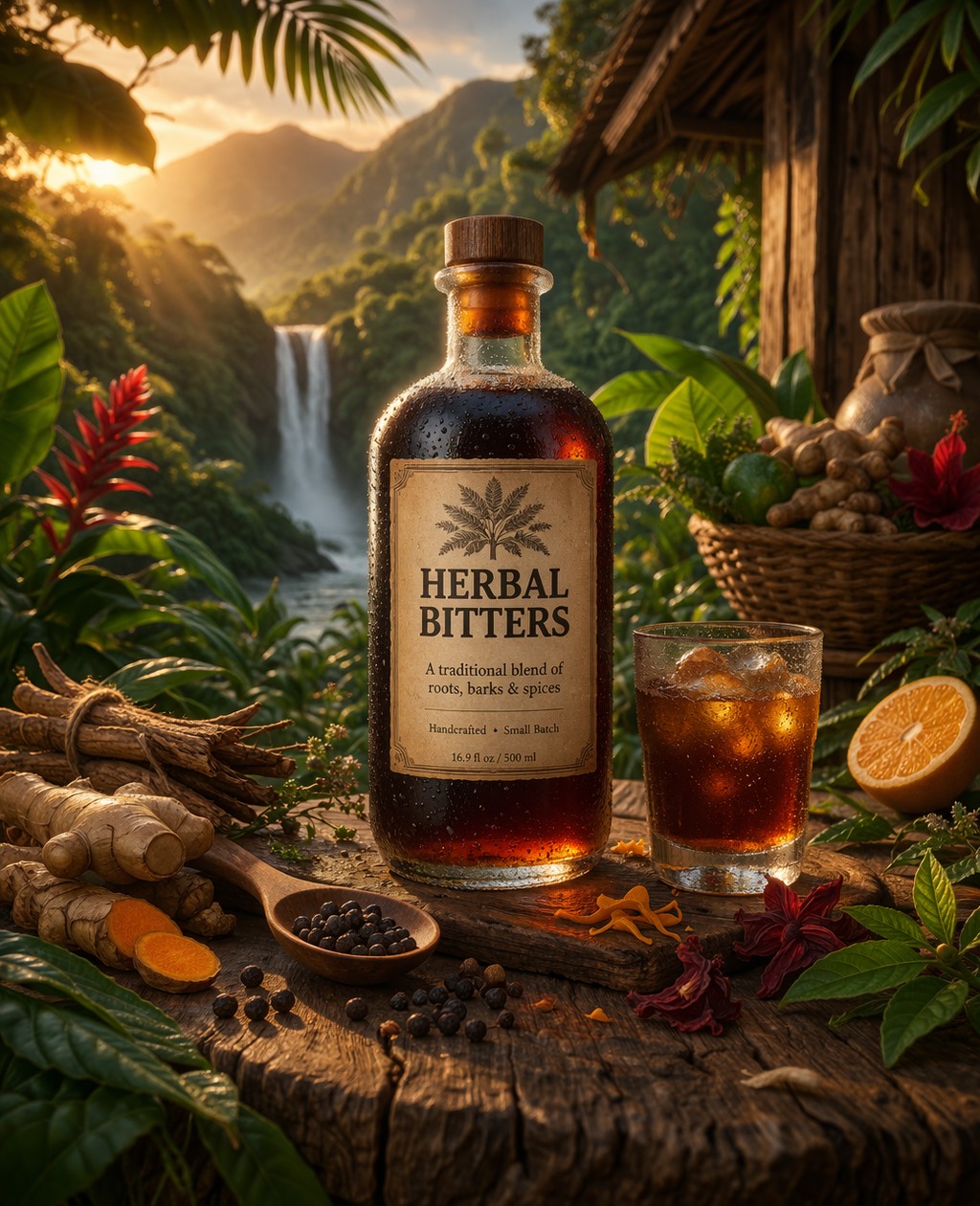
Herbal Bitters Market (2025 2031): United States Market Analysis and Overview
The herbal bitters market is experiencing robust transformation and growth globally, and the United States plays a significant role in shaping this dynamic landscape. Herbal bitters, botanical extracts traditionally used as digestive agents and flavor enhancers, are increasingly adopted by beverage manufacturers, mixologists, and wellness driven consumers in the U.S. as part of a broader shift toward natural, functional, and artisanal products.
United States Market Overview
In the United States, herbal bitters have transitioned from niche herbal remedies to mainstream beverage and lifestyle components. Their versatility in cocktails, non alcoholic beverages, and functional wellness products has driven wider consumer acceptance. The rising popularity of craft cocktails across urban centers and the expanding home bartending trend have significantly contributed to demand growth. This trend is complemented by increasing consumer interest in clean label and botanical infused products.
Retail outlets, including specialty liquor stores and e commerce platforms, are extending their product lines to include a wider array of herbal bitters. Meanwhile, on premise consumption in bars and restaurants remains a key driver as mixologists innovate with complex flavor profiles and incorporate herbal bitters as signature ingredients in premium beverages. Boutique distilleries and independent producers are also gaining traction by offering unique, limited edition herbal bitters tailored for the U.S. market’s discerning consumers.
Market Segmentation in the U.S.
The U.S. herbal bitters market mirrors global segmentation, with product types such as cocktail bitters, digestif bitters, aperitif bitters, and medicinal bitters. Cocktail bitters represent the largest share due to their widespread use in both classic and contemporary drink recipes. Digestif and medicinal bitters maintain relevance among health oriented consumers who seek their traditional digestive support benefits.
Request Sample Pages of this Research Study @ https://www.theinsightpartners.....com/sample/TIPRE000
Application channels in the United States broadly include restaurant service and retail service. Retail service includes sales through liquor stores, gourmet food outlets, and online marketplaces, which have become particularly important as e commerce continues to surge. On the restaurant side, craft cocktail bars and high end dining establishments are driving premiumization, creating opportunities for specialty bitter brands.
Key Drivers of U.S. Market Growth
Several factors are propelling the herbal bitters market in the U.S.:
1. Craft Beverage Culture: The booming craft drink movement has heightened consumer demand for botanically complex ingredients that can elevate flavor and provide unique drinking experiences. Herbal bitters are central to this trend, enabling mixologists to differentiate their offerings and enhance beverage sophistication.
2. Wellness and Functional Consumption: Consumers are placing greater emphasis on products that align with health and wellness goals. Herbal bitters, perceived as natural digestive aids with botanical benefits, are increasingly incorporated into health oriented beverages, including alcohol free drinks and functional tonics.
3. Retail Expansion and E Commerce: Specialty retailers and online platforms are broadening access to herbal bitters, making diverse brands and flavors available to a wider audience. Online retail channels are particularly influential, offering convenience and variety that drive repeat purchases and consumer exploration.
Competitive Landscape in the U.S.
The competitive environment in the U.S. herbal bitters market includes international brands and local craft producers. Established companies like Angostura, Gruppo Campari, Mast Jägermeister, and Underberg AG maintain a presence due to their heritage and broad distribution networks. Simultaneously, U.S. based bitters producers such as Scrappy’s Bitters and other craft brands have carved niche segments by emphasizing artisanal production, unique flavor profiles, and alignment with the local craft beverage scene.
Smaller producers are also leveraging sustainability and organic sourcing in their marketing to appeal to eco conscious consumers, further driving product differentiation. Strategic partnerships with bars, restaurants, and hospitality groups help brands extend visibility and consumer touchpoints beyond traditional retail.
Challenges and Opportunities
Despite strong growth prospects, the U.S. market faces challenges, including raw material sourcing fluctuations and supply chain pressures that can impact production costs. Furthermore, while urban and coastal markets show high acceptance of herbal bitters, awareness in some regions remains limited. Educating consumers and expanding distribution into underserved areas present ongoing challenges.
However, these challenges also reveal opportunities. Increased investment in consumer education, coupled with innovations in non alcoholic and wellness oriented beverage categories, could significantly broaden market appeal. Expanding e commerce strategies and leveraging digital marketing will also help brands connect with new consumer segments.
Outlook for 2025 2031
Looking ahead, the U.S. herbal bitters market is poised for sustained growth between 2025 and 2031, supported by evolving consumer preferences, expanding beverage culture, and ongoing product innovation. As consumer interest in natural, functional, and artisanal products continues to rise, herbal bitters are expected to become a staple in both traditional and emerging beverage segments, driving long term value for producers and retailers alike.
United States Market Herbal Bitters remains a dynamic and expanding segment within the broader functional beverage and flavor ingredient landscape, marked by diversity, innovation, and growing consumer engagement.
Trending Related Reports:
• Botanical Extracts Market Share, Growth & Demand by 2034
• Waxy Maize Starch Market Size, Growth & Trends by 2034
• Agar-Agar Market Size, Demand & Growth by 2034
• Avocado and Avocado Derivatives Market Share, Growth & Demand by 2034
About Us:
The Insight Partners is a one stop industry research provider of actionable intelligence. We help our clients in getting solutions to their research requirements through our syndicated and consulting research services. We specialize in industries such as Semiconductor and Electronics, Aerospace and Defense, Automotive and Transportation, Biotechnology, Healthcare IT, Manufacturing and Construction, Medical Device, Technology, Media and Telecommunications, Chemicals and Materials.
Contact Us
If you have any queries regarding this report or require additional information, please contact us:
The Insight Partners
Email: sales@theinsightpartners.com
Phone: +1-646-491-9876
Website: https://www.theinsightpartners.com/
Also Available in : Korean | German | Japanese | French | Chinese | Italian | Spanish